
Table of Contents
Introduction

When it comes to fastening solutions, there are countless options available. However, few can match the combination of strength, versatility, and ease of use offered by wing nuts. These specially designed fasteners are widely used in industries ranging from automotive to construction and even in DIY projects. With their distinctive “wings” that allow for hand-tightening, wing nuts provide an efficient and reliable solution for securing components without the need for tools. Whether you’re working on heavy-duty equipment or simple household fixes, understanding the role and benefits of bolt wing nuts can help you choose the right fastener for your project.
In this article, we’ll explore the key features, benefits, and applications of wing nuts. We’ll also provide useful insights into selecting the right wing nut for your needs, the materials that make them durable, and why they are the go-to fasteners for various industries.
What Are Bolt Wing Nuts?
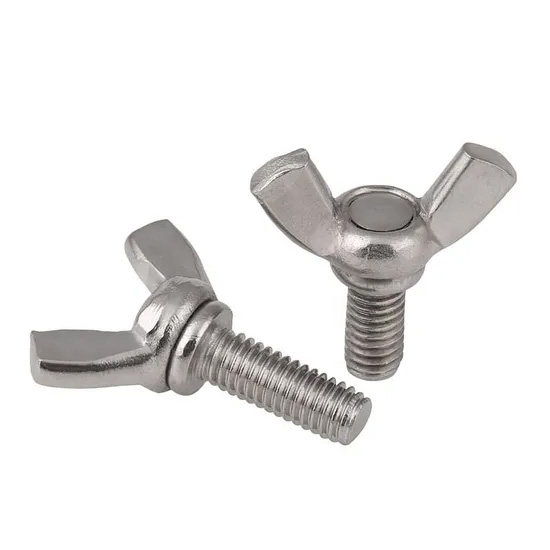
Bolt wing nuts are a type of fastener that features two “wings” on either side of the nut, allowing them to be easily tightened or loosened by hand. The design is perfect for applications where frequent disassembly is required or when tools are not available. Unlike standard nuts, which require a wrench or pliers, wing nuts can be tightened and loosened by simply turning them with your fingers.
The unique shape of the wings provides a high level of torque, making them a reliable fastening option in situations where other fasteners may struggle. These nuts are available in a range of sizes and materials, and they can be used in both light- and heavy-duty applications.
Why Bolt Wing Nuts Are Ideal for Quick and Easy Assembly

One of the primary advantages of wing nuts is their ability to facilitate quick and easy assembly. Their hand-tightening feature means that workers can speed up the assembly process without needing specialized tools. This is particularly valuable in fast-paced environments like construction sites, production lines, and maintenance work, where downtime needs to be minimized.
Whether you’re assembling machinery, electrical systems, or even outdoor equipment, using wing nuts ensures a secure and fast connection. With their ergonomic design, workers can complete tasks more efficiently while reducing the risk of injury associated with using power tools.
Bolt Wing Nuts vs. Regular Nuts: What’s the Difference?
At first glance, wing nuts may look similar to regular nuts, but they offer a number of distinct advantages. Regular nuts typically require a wrench or other tools to tighten, while wing nuts allow users to tighten and loosen them with just their hands. This means fewer tools are required, and the assembly process can be completed more quickly.
Additionally, wing nuts are often designed with a more robust shape, allowing for greater torque and a stronger hold in some applications. While regular nuts are sufficient for many fastening needs, bolt wing nuts excel in applications where speed and ease of access are crucial.
How Bolt Wing Nuts Contribute to Workplace Safety
In industries where safety is a top priority, wing nuts can play an essential role in enhancing workplace safety. Because they can be installed and removed without the need for power tools, there is a reduced risk of accidents associated with the use of wrenches, drills, or other heavy equipment. Moreover, workers can quickly remove or adjust components, ensuring that any required maintenance can be performed with minimal disruption.
By eliminating the need for tools, wing nuts also reduce the chances of dropped tools, which could cause injuries in busy work environments. Their ability to be hand-tightened also ensures that fastenings are not overtightened, which could damage components or lead to malfunctions.
The Role of Bolt Wing Nuts in Mechanical and Electrical Assemblies
Bolt wing nuts are frequently used in mechanical and electrical assemblies where fasteners need to be easily accessible and quick to adjust. They are commonly found in machinery and electrical enclosures that need regular inspection, repair, or upgrades. Their tool-free operation allows technicians to swiftly make adjustments or replacements without the hassle of searching for the right tools.
In electrical systems, where space is often limited and components need to be accessed quickly,wing nuts are ideal for securing covers, panels, or connections that require frequent access.
How to Choose the Right Bolt Wing Nut for Your Project
Choosing the right bolt wing nut depends on several factors, including the material, size, and application requirements. Here’s what to consider when selecting the right wing nut:
- Material: Bolt wing nuts are commonly made from carbon steel, stainless steel, and aluminum. Stainless steel offers superior corrosion resistance, making it ideal for outdoor or marine applications, while carbon steel provides high strength for heavy-duty applications.
- Size: Bolt wing nuts come in various sizes, so make sure you choose the right size for your project. Consider the dimensions of the bolts and the load they will need to bear.
- Thread Type: Check if the wing nut is compatible with the thread type of your bolts. Common thread standards include metric threads (M) and imperial threads (UNC/UNF).
Bolt Wing Nuts for Heavy-Duty Applications
For applications involving high-stress environments, wing nuts can be a crucial component. Their strength and reliability make them suitable for heavy-duty machinery, industrial equipment, and large-scale construction projects. Whether you’re working with large structures or complex mechanical assemblies, using a bolt wing nut ensures a secure, tool-free fastening solution that can handle significant loads.
The ability to install and remove these fasteners quickly is a huge benefit in industries where equipment downtime needs to be minimized.
Corrosion Resistance: Why Material Matters for Bolt Wing Nuts
The material you choose for your wing nuts plays a critical role in their longevity and performance. In environments where exposure to moisture or chemicals is common, corrosion resistance is key. Stainless steel wing nuts, for example, offer superior resistance to rust and corrosion, making them ideal for outdoor, marine, or chemical environments.
On the other hand, carbon steel wing nuts are typically stronger but require additional protective coatings, such as zinc plating, to prevent rusting in harsh conditions.
How to Maintain and Care for Bolt Wing Nuts to Extend Lifespan

To ensure that your wing nuts continue to perform at their best, proper maintenance is essential. Regularly inspect the fasteners for signs of wear, rust, or damage. In environments prone to corrosion, consider applying lubricants or coatings to protect the nuts and bolts.
Additionally, ensure that wing nuts are properly tightened, but avoid overtightening, as this can damage the threads and reduce their holding capacity over time. If the wing nuts are used in applications where frequent adjustments are made, keep a stock of replacement nuts to avoid downtime.
Conclusion
Bolt wing nuts are an essential fastener in many industries, offering strength, ease of use, and versatility. Their tool-free operation makes them perfect for quick and secure assembly, especially in applications requiring frequent adjustments. Whether you’re working on heavy-duty machinery, electrical systems, or even DIY projects, using the right wing nut can improve both the efficiency and safety of your work.
Ready to find the perfect bolt wing nut for your next project? Browse through our selection of high-quality wing nuts and other fastening solutions today to ensure your work is always securely fastened. If you have any questions or need expert guidance, don’t hesitate to reach out to our team!
FAQ
Can bolt wing nuts be used for high-torque applications?
Yes, bolt wing nuts provide a high level of torque due to their ergonomic design, making them suitable for medium-to-high torque applications. However, for extremely high-torque situations, consider using other fastening solutions.
How do I know if a bolt wing nut will fit my project?
Ensure that the wing nut you choose matches the thread size and material compatibility of your bolts. Also, verify that the nut’s strength rating aligns with the demands of your project.
Are bolt wing nuts reusable?
Yes, wing nuts are reusable as long as they are not damaged or worn down. Regular inspection is important to ensure they maintain their integrity for future use.
 English
  Spanish
  Arabic