
Table of Contents
Introduction
Flat head tapping screws are a crucial component in many industrial applications, providing an efficient, reliable, and secure method of fastening materials together. These screws are designed with a flat, countersunk head, making them ideal for applications where a smooth, flush finish is required. As industries continue to evolve and grow, flat head tapping screws are becoming increasingly important in a variety of sectors, from automotive to electronics to construction.
But what exactly makes these fasteners so essential? This guide explores the key features, advantages, and applications of flat head tapping screws, helping you understand why they are a top choice for industrial fastening needs.
What Are Flat Head Tapping Screws?

Definition and Characteristics
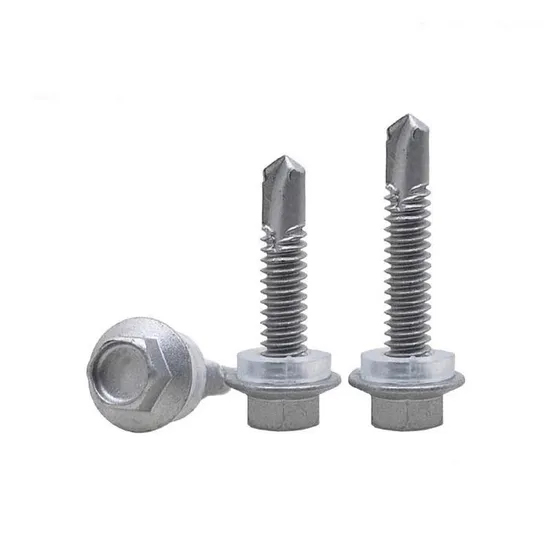
Flat head tapping screws are a type of fastener designed with a flat, countersunk head that sits flush with the surface of the material once fully installed. This makes them ideal for situations where a smooth finish is essential, such as in electronics, automotive, and construction applications.
Unlike standard screws, tapping screws feature threads that cut into the material they are fastened into. This unique design eliminates the need for pre-drilled holes, saving time and reducing labor costs.
Types of Flat Head Tapping Screws
Flatheadtapping screws come in various types, each suited for specific applications. Below are the main types of flathead tapping screws:
| Type | Description | Best For |
|---|---|---|
| Slotted | A simple single slot for a flathead screwdriver. | General-purpose applications |
| Phillips | A cross-shaped drive for improved torque. | Common in automotive and construction |
| Pozidriv | Similar to Phillips, but offers more resistance to cam-out. | High-torque applications |
| Torx | A star-shaped drive offering excellent torque and grip. | Electronics, machinery, automotive |
Key Advantages of Flat Head Tapping Screws

Precision and Flush Finish
One of the standout features of flathead tapping screws is their ability to sit flush with the surface. The flat head design ensures that the screw does not protrude above the material surface, which is critical for applications where a clean, smooth finish is required.
Time-Saving and Cost-Effective
Flat head tapping screws eliminate the need for pre-drilling, allowing for quicker assembly and reducing installation time. This makes them highly cost-effective for large-scale industrial projects where time is money.
Versatility in Materials
These screws are versatile and can be used across a wide variety of materials, including metal, plastic, and wood. This versatility makes flathead tapping screws an ideal choice for industries such as construction, automotive, electronics, and more.
Applications of Flat Head Tapping Screws in Industrial Environments
Automotive Manufacturing
Flat head tapping screws are often used in automotive assembly, particularly in securing metal body panels and mechanical components. The flush design ensures that the screw does not interfere with aerodynamic or aesthetic features of the vehicle.
Electronics Industry
In the electronics industry, flathead tapping screws are commonly used to fasten components inside control panels and electrical enclosures. Their ability to sit flush with surfaces ensures that sensitive electronic devices are properly housed without the risk of interference from protruding screws.
Construction and Prefabrication
Flat head tapping screws are often used in the construction of prefabricated structures, securing metal sheets, wall panels, or roofing materials. Their strength and ability to cut into metal without requiring pilot holes makes them essential for efficient construction.
Custom Fabrication
Flat head tapping screws also play a role in custom fabrication projects, where a flush surface is necessary for aesthetic or functional purposes. For example, they can be used to assemble machinery or furniture, where the finished product must have a smooth, professional appearance.
How to Choose the Right Flat Head Tapping Screw
Material Considerations
When choosing a flat head tapping screw, it’s important to consider the material of both the screw and the workpiece. For outdoor or corrosive environments, stainless steel or zinc-plated screws are ideal, as they offer superior resistance to rust and corrosion.
Thread Size and Pitch
Selecting the correct thread size and pitch is crucial for achieving a secure and lasting hold. For instance, fine-thread screws are better suited for hard materials like metal, while coarse-thread screws are ideal for softer materials or quick assembly.
Drive Type
The drive type of the screw is an essential consideration, as it influences the installation process. Phillips or Pozidriv drives are ideal for general use, while Torx offers better torque control and is less prone to cam-out.
Coating and Corrosion Resistance
Depending on the application, you may need a screw with added protection, such as a zinc coating for improved corrosion resistance. If you’re working in a high-moisture or chemical environment, choose screws designed for extra protection.
Case Study: Flat Head Tapping Screws in Automotive Assembly
Flatheadtapping screws are widely used in the automotive industry for securing body panels and mechanical parts. In a real-world case, a major automotive manufacturer switched to flat head tapping screws for assembling the metal chassis of vehicles. The key benefits included a reduction in installation time, an improved flush finish, and reduced material costs. These screws also contributed to a more aesthetic and aerodynamic design, as they did not interfere with the smooth contours of the vehicle.
Conclusion
Flat head tapping screws are an essential fastener for a variety of industries due to their flush finish, self-tapping capabilities, and versatility in materials. Whether you’re working on automotive, electronics, or construction projects, these screws offer a reliable and cost-effective solution for your fastening needs.
If you’re unsure which flat head tapping screw is right for your application, Handan Haosheng Fastener Co., Ltd., is here to help. Our experts can guide you through the selection process, ensuring you get the right fastener for the job. Contact us today to get personalized advice and ensure your project is a success.
FAQ
What materials are flat head tapping screws made from?
Flat head tapping screws are typically made from stainless steel, carbon steel, zinc-plated steel, and alloy steel to provide strength and durability. The material choice depends on the required corrosion resistance and application environment.
How do flathead tapping screws differ from regular screws?
Unlike regular screws, flat head tapping screws have a flat, countersunk head that sits flush with the surface of the material. They also feature self-tapping threads, meaning they can cut into the material without the need for pre-drilling.
Can flathead tapping screws be used outdoors?
Yes, when made from stainless steel or zinc-coated steel, flat head tapping screws are highly suitable for outdoor use, as they provide resistance against corrosion and rust in harsh environments.
What’s the difference between fine-thread and coarse-thread flatheadtapping screws?
Fine-thread screws provide a stronger hold in hard materials like metal, while coarse-thread screws are designed for softer materials or quicker assembly, offering better holding power in materials like wood or plastic.
 English
  Spanish
  Arabic