

Self drilling screws, also known as Tek screws, are essential fastening tools in a wide variety of industrial, commercial, and construction applications. Their unique design integrates drilling, threading, and fastening into a single operation, allowing for a more efficient and cost-effective installation process. In this blog, we’ll explore what self-drilling screws are, how they work, their key features, and applications, as well as how to choose the right one for your specific needs.
Table of Contents
What Is A Self Drilling Screw?
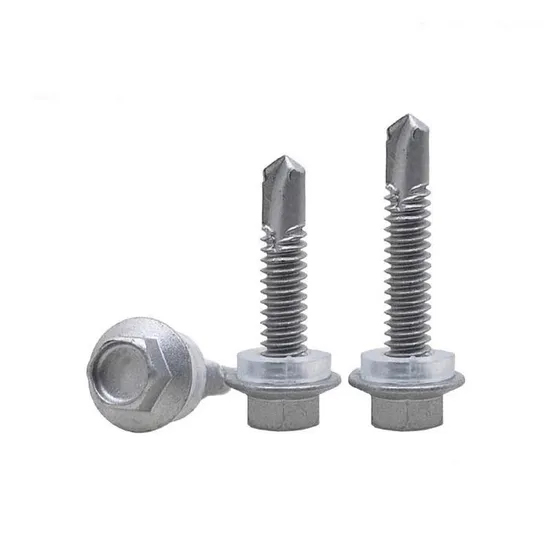
Self drilling screws are a specialized type of fastener equipped with a unique drill-shaped tip that allows them to create their own pilot hole as they are driven into the material. This eliminates the need for pre-drilling, making installation faster and reducing labor costs. The screws are often used in metal-to-metal and metal-to-wood applications and are favored for their versatility and ease of use.
Key Features of Self Drilling Screws

- Integrated Functionality: The most notable feature of self-drilling screws is their drill-shaped tip, which removes material as the screw is driven in. This enables the screw to complete the drilling, threading, and fastening in a single step.
- No Need for Pre-Drilling: Unlike most self-tapping screws, self-drilling screws eliminate the need for pre-drilling pilot holes, saving both time and effort.
- Variety of Tip Designs: The tip of a self-drilling screw is shaped like a twist drill, with several designs available to suit different applications. Some common designs include the standard point, winged point, and split-point tips, each serving different material types and thicknesses.
Types of Self Drilling Screws
Self-drilling screws come in various designs to meet the demands of different materials and applications. Here are some key types:
- Standard Point: The most common type, ideal for applications where the material is thinner and less dense.
- Winged Point: This type includes small wings that help enlarge the hole, making it suitable for use in thicker materials, such as metal sheets.
- Split Point: Often used in harder materials, the split point ensures more precise and clean drilling without causing any material distortion.
The Table Below Summarizes Key Features of Different Self-Drilling Screw Types:
| Screw Type | Suitable Materials | Recommended Applications | Tip Design Characteristics |
|---|---|---|---|
| Standard Point | Thin metals, plastics | Light-duty applications | Narrow tip for thinner materials, precise drilling |
| Winged Point | Thick metals, wood | Heavy-duty and multi-material work | Wings help enlarge holes, ideal for thicker materials |
| Split Point | Hard metals, plastics | High-precision applications | Split tip ensures accurate entry and reduces material distortion |
Materials and Coatings
Self-drilling screws are typically made from high-quality, durable metals such as carbon steel or stainless steel. To ensure maximum corrosion resistance and longevity, these screws are often coated with protective layers such as zinc, mechanical plating, or electroplated coatings. The choice of coating depends on the specific environment the screw will be used in, ensuring that the screw maintains its strength and integrity even in harsh conditions.
Common Applications of Self Drilling Screws

Self-drilling screws are used in a wide variety of fields, from construction to industrial and HVAC applications. Some of the most common uses include:
- Metal Roofing and Siding: Used to fasten metal sheets to structural frames, offering both strength and corrosion resistance.
- HVAC Systems: Commonly used in the assembly of heating, ventilation, and air conditioning units.
- Lightweight Metal Structures: Fastening light metal components in industrial settings.
- Wood to Metal Fastening: Essential for applications that involve fastening wood or timber to metal surfaces.
These screws provide an efficient solution for applications where both time and cost savings are essential, making them a favorite among construction professionals.
Choosing the Right Self Drilling Screw
When selecting a self-drilling screw, it is crucial to consider the following factors:
- Material Type: Different screw types are designed for specific materials such as wood, metal, or plastic. Choosing the right screw for your material will ensure a secure and lasting connection.
- Length and Diameter: The size of the screw determines how deep it can penetrate, as well as how much force it can handle. Larger screws are suitable for thicker materials, while smaller screws are best for lighter work.
- Coating: If the screw will be exposed to moisture, chemicals, or other corrosive elements, choosing a coated screw will protect it from rust and degradation.
- Torque Requirements: Depending on the thickness of the material, the torque required to drive the screw may vary. Make sure to select a screw that can be installed with the available tools.
Installation Tips
While self-drilling screws are easy to use, proper installation is key to maximizing their performance:
- Avoid Over-Tightening: Over-tightening can cause the screw threads to strip, reducing holding power.
- Correct Depth: Ensure that the drill tip penetrates the material before the threads begin to engage, preventing premature threading and reducing the risk of breakage.
- Use the Right Drill Speed: Different sizes and materials may require different speeds. High-speed drills are often used for smaller screws, while larger screws need slower speeds to avoid overheating.
Conclusion
Self drilling screws offer a versatile, high-efficiency solution for diverse fastening applications. Their unique capability to drill, tap, and secure in a single operation saves time, reduces labor costs, and ensures a robust connection every time. Whether used in metal roofing, HVAC systems, or other industrial applications, these screws provide a reliable and durable fastening method.
If you plan to use self drilling screws in your next project, be sure to select the appropriate type based on your materials and application. Need more information or guidance to choose the screws that best meet your needs? Contact us today to speak with our experts. We’re here to help you find the perfect fastening solution for your specific requirements.
FAQ
What is a self drilling screws?
Self drilling screws are fasteners with a drill-shaped tip that allows them to create their own pilot hole, eliminating the need for pre-drilling.
Can I use self drilling screws for metal?
Yes, self-drilling screws are ideal for fastening metal materials, including thin and thick metal sheets.
Do self-drilling screws need a pilot hole?
No, they do not require a pilot hole. The drill-shaped tip creates the hole as the screw is driven in.
What is the advantage of using self-drilling screws?
They save time and labor costs by combining drilling, threading, and fastening into a single operation.
How do I choose the right self-drilling screw?
Consider the material type, screw size, coating, and torque requirements when selecting the right self-drilling screw for your application.
 English
  Spanish
  Arabic